
Colour
Rose-Warm Walls: Choosing the Right Blush Tone for Kenyan Light
Not all blush tones survive the afternoon sun — here's how to find the one that does.
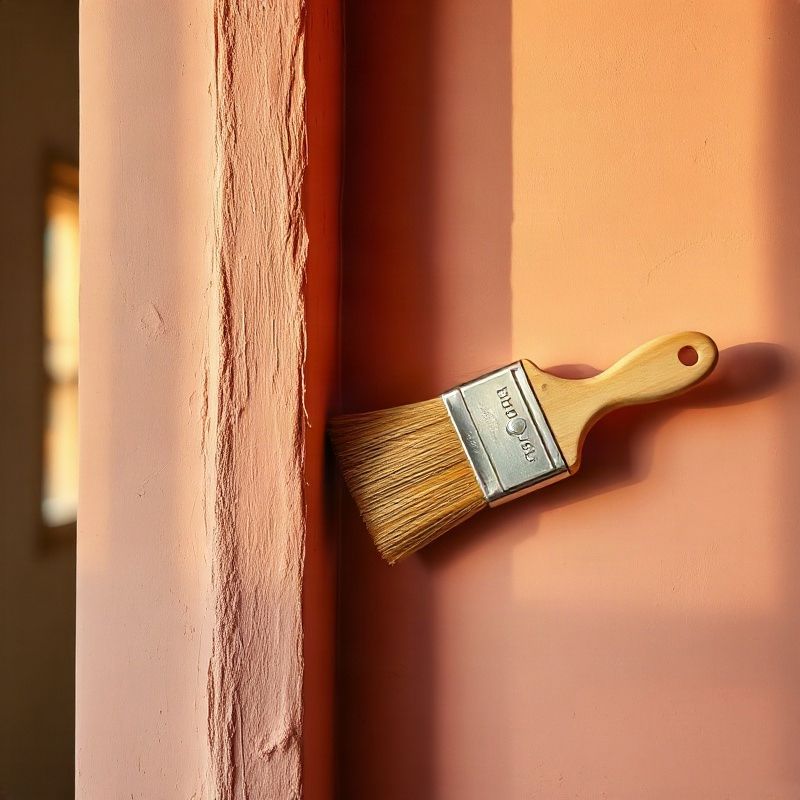
Why Kenyan light is a different test for rose-warm colour
Kenyan equatorial light sits at a different angle and intensity than the light the colour industry mostly designs for. European paint ranges are developed under a northern sky that is diffuse, cool, and relatively flat — the same blush that looks intimate in a London flat can turn fluorescent on a Mombasa wall by mid-morning and then swing to a muddy mauve by four in the afternoon. The golden equatorial light of the coast amplifies warm undertones, so a blush with too much yellow reads orange under direct sun; a blush with too much grey reads dirty rather than dusty rose. What survives — and actually glows — is a blush in the true rose family: equal parts warm red and soft white, with no more than ten percent yellow or grey pulling it off-axis. On a south-facing wall in Malindi, this tone holds its rose-warm character from the blue-hour morning light straight through the sharp midday peak and into the long amber evenings. It is the colour of calm, and it works because it is honest about what it is: neither trying to be neutral nor trying to be bold.
How to test before you commit a full wall
Buy the smallest tin available — most Kenyan stockists sell 500 ml tester sizes — and paint two A3-sized patches: one on the wall that receives the most direct sun, one on the shadiest interior wall. Leave them unphotographed for 24 hours and look at them at four distinct times: early morning, noon, mid-afternoon, and after sunset under your artificial lighting. If the tone stays recognisably blush-rose at all four checks, you have found your colour. If it turns salmon at noon or mushroom after dark, move along. Three locally available tones that consistently pass this four-check test across Kenya's coastal and highland homes are a true petal rose (ask for a tone with LRV around 68–72), a deeper dusty rose with slight terracotta warmth (LRV 55–60), and a pale shell — almost white but with a clear pink lean (LRV 80–84). The pale shell works especially well in rooms that receive indirect light all day; the deeper dusty rose earns its place in a room that needs to feel anchored. Whichever you choose, use the same tone on the ceiling at thirty percent dilution — it keeps the rose-warm atmosphere without making the room feel boxed in.
Ready to try a rose-warm room in your home?
Read more colour and interior tips in the full article archive.
Back to all articles